Liposuction in Toronto
Target Stubborn Fat & Enhance Your Natural Contours
Dr. Hanna combines advanced aesthetic training with a deep understanding of body proportions to remove fat & refine your natural shape.
Featured in






Frustrated With Fat That Won't Respond to Diet and Exercise?
If stubborn pockets of fat are keeping you from the silhouette you’ve always wanted, liposuction in Toronto can redefine your natural contours.
Dr. Steven Hanna uses techniques such as SAFELipo, power-assisted liposuction (PAL), and liposuction with Renuvion J-Plasma to remove unwanted fat and sculpt your curves with greater precision.
As a Royal College-certified plastic surgeon focused entirely on aesthetic surgery, Dr. Hanna approaches your body-contouring procedure with advanced training and a deep understanding of proportion.
You’ll work directly with him to create a treatment plan built around your anatomy and goals, sculpting a slimmer, more defined shape that still looks naturally you.

Areas We Can Refine with Liposuction
Dr. Hanna can use liposuction to slim and refine the following areas:
- Abdomen
- Waist and flanks
- Hips
- Inner and outer thighs
- Upper arms
- Back and bra line
- Chest
- Chin and jawline
- Neck
- Knees
- Calves and ankles

Which Type of Liposuction Is Best For You?
When Liposuction May Be Right For Your Goals
You may be a good candidate if you:
- Have localized pockets of fat that haven’t responded to diet and exercise
- Are at or near your goal weight
- Want more definition in your abdomen, waist, thighs, arms, or back
- Have good skin elasticity, or may benefit from added skin tightening with Renuvion J-Plasma
- Are in good overall health
- Don’t smoke, or are willing to stop before and after surgery
Liposuction may not be right for you if you:
- Are looking for a weight-loss procedure or need to lose a significant amount of weight
- Are actively losing weight or expect your weight to change considerably
- Have significant loose or hanging skin that fat removal alone won’t correct
- Have an uncontrolled medical condition that could affect surgery or healing
- Are actively smoking and aren’t willing to stop around your procedure
- Expect liposuction to treat cellulite or completely tighten loose skin
- Aren’t able to follow postoperative care and activity restrictions
Dr. Hanna will assess your body proportions, skin quality, and goals to determine whether liposuction is the right approach for you.
If another procedure would better address your concerns, he may recommend a tummy tuck, breast augmentation, breast reduction, breast lift, or a combination of procedures.

From Consultation To Procedure Day
-

Your Consultation
You’ll meet one-on-one with Dr. Hanna to review the areas you want to refine, assess your skin quality and body proportions, and determine which liposuction technique best fits your goals.
-

Procedure Day
Liposuction typically takes about 1 to 3 hours, depending on the number and size of the areas being treated, and is usually performed under general anesthesia or another form of anesthesia suited to your treatment plan. Dr. Hanna makes small incisions, inserts a thin cannula, and carefully removes and sculpts fat to create smoother, more defined contours.
-

Right After Your Procedure
You’ll typically return home the same day wearing a compression garment to support the treated areas and control swelling.
Dr. Hanna may recommend that you:
- Wear your compression garment as directed to support healing and reduce swelling.
- Take short, gentle walks to encourage circulation.
- Rest with the treated areas supported and avoid unnecessary pressure.
- Keep your incisions clean and dry and follow all wound-care instructions.
- Avoid strenuous exercise and heavy lifting until Dr. Hanna clears you to resume them.
- Stay well hydrated and eat balanced meals to support recovery.
- Avoid smoking and nicotine because they can interfere with healing.
- Take prescribed or recommended medications as directed for discomfort.
Your Results & Recovery Timeline
Your recovery timeline will depend on the areas treated and the amount of fat removed, and your contours will look more defined as swelling gradually subsides. Here’s what you can generally expect:
-
Days 1–3
Expect swelling, bruising, soreness, and tightness in the treated areas, and plan to rest while taking short walks throughout the day.
-
Week 1
Discomfort usually begins to ease, and you may be able to return to light daily activities or desk work depending on the extent of your procedure.
-
Weeks 2–3
Bruising continues to fade and swelling decreases, making early changes in your body contours easier to see.
-
Weeks 4–6
Dr. Hanna may clear you to gradually resume more strenuous exercise, while residual swelling continues to improve.
-
Months 2–3
Your treated areas look noticeably slimmer and more defined as most swelling resolves and the tissues settle.
-
Months 3–6
Your contours continue to refine, giving you a clearer view of your final liposuction results.
-
Months 6–12
Any small incision scars continue to soften and fade, while your final shape becomes fully established.
Understanding The Cost of Liposuction
The cost of liposuction depends on the number and size of the areas being treated, the technique Dr. Hanna recommends, and whether you combine it with another procedure.
Your personalized quote may account for:
- The number of treatment areas
- The amount of fat being removed
- The liposuction technique used, including SAFELipo, PAL, or Renuvion J-Plasma
- Dr. Hanna’s surgical fee
- Anesthesia fees
- Operating room and facility fees
- Nursing and clinical support
- Surgical supplies and compression garments
- Postoperative appointments and follow-up care
- Any additional procedures performed at the same time
Dr. Hanna will review your treatment plan during your consultation and provide a clear quote so you know what to expect before moving forward.
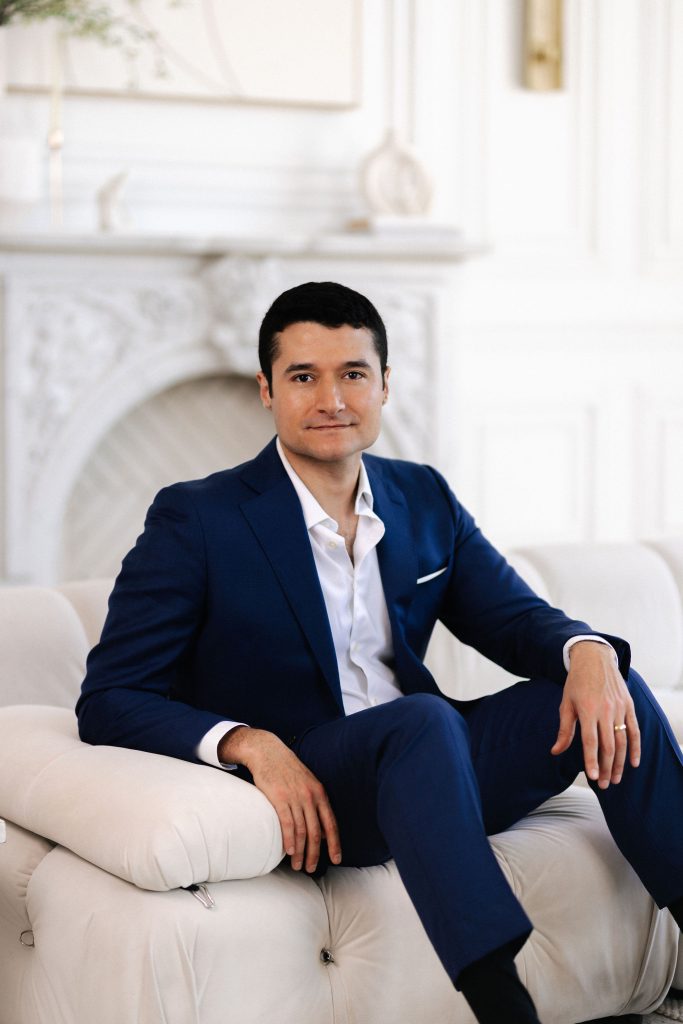
Advanced Aesthetic Training, Focused on Natural Proportions
Liposuction is about more than removing fat; it takes careful planning to create smoother contours that look balanced with the rest of your body.
Dr. Hanna combines advanced aesthetic training, surgical precision, and an individualized approach to help you achieve a slimmer, more refined shape without looking overdone.
Here’s why patients like you trust him:
- Royal College-certified plastic surgeon focused entirely on aesthetic surgery
- Advanced aesthetic training at Manhattan Eye, Ear & Throat Hospital in New York
- Work one-on-one with Dr. Hanna from your consultation through surgery and follow-up
- Assistant Professor at the University of Toronto
- Published aesthetic surgery research recognized by leading plastic surgery journals
- Aesthetic expertise featured in outlets including ELLE Canada, the Toronto Star, and Newsweek

Caring For Patients in Toronto & Beyond
Located within Ford Plastic Surgery in Yorkville, Dr. Hanna and Dr. McGrattan welcome patients from across Toronto, The Greater Toronto Area, and beyond.
- Toronto
- Oakville
- Vaughan
- Rosedale
- Forest Hill
- Lawrence Park
- Yorkville
- Richmond Hill
- Mississauga
- Markham
- The Kingsway
- Burlington
Questions We Hear From Patients Like You
Will I be fully asleep during liposuction?
Dr. Hanna performs many liposuction procedures under general anesthesia, although the type of anesthesia can vary depending on the areas treated and the extent of your procedure. He will explain what’s appropriate for your treatment plan before surgery.
Are there any risks associated with liposuction?
As with any surgery, risks can include bleeding, infection, fluid accumulation, contour irregularities, changes in sensation, and anesthesia-related complications. Dr. Hanna will review these risks with you and explain how they apply to your procedure.
Will my results be permanent?
The fat cells removed during liposuction won’t grow back, so your results can be long-lasting as long as you maintain a relatively stable weight. Significant weight changes and natural aging can still affect your contours over time.
Will I have visible scars?
Dr. Hanna uses small incisions for the cannula, so scars are typically short and placed as discreetly as possible. They usually fade over time, although they won’t disappear completely.